


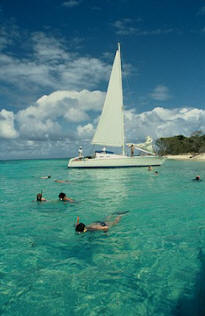
 Spacious, pristine beauty is a rare find, yet on St. Thomas it is in abundance everywhere you look! Sweeping vistas reveal tropical waters glistening in every shade of blue imaginable, and a few you never though possible! Hibiscus, Bougainvillea, Red Ginger, Ixora, Poinsettia, and Bird of Paradise provide dramatic splashes of vibrant colors throughout the year. Even the trees here flower -- the fragrant frangipani in red, pink , yellow or white; the yellow or pink poui, striking at its height of 80 feet in full bloom; and the majestic Royal Poinciana, with its seed pods over two feet in length and vibrant blossoms giving it the nickname "the flame tree."
Pelicans dive the coves for fish, frigate birds glide effortlessly on the unending tradewind currents, egrets follow the Senepol cattle herds, hummingbirds and sugar birds dart among the flowers, and the island's equivalent of the squirrel -- the fast footed mongoose -- races across the road. Sea turtles return each year to nest on the beaches. The endangered giant leatherbacks, the small green turtles, and the distinctive hawksbill, emerge from the sea, scoop out the sand, and lay their eggs. In the following months, thousands of two inch turtles made a mad dash to the sea, and only several dozen will survive to adulthood. Turtle watch groups monitor the nesting sites, and visitors may join the summer nighttime watches by contacting the St. Thomas Environmental Association. But perhaps the favorite of all island wildlife is the tiny gecko - about six inches long at best, this little lizard is fast and funny, and welcomed because it eats the mosquitoes!
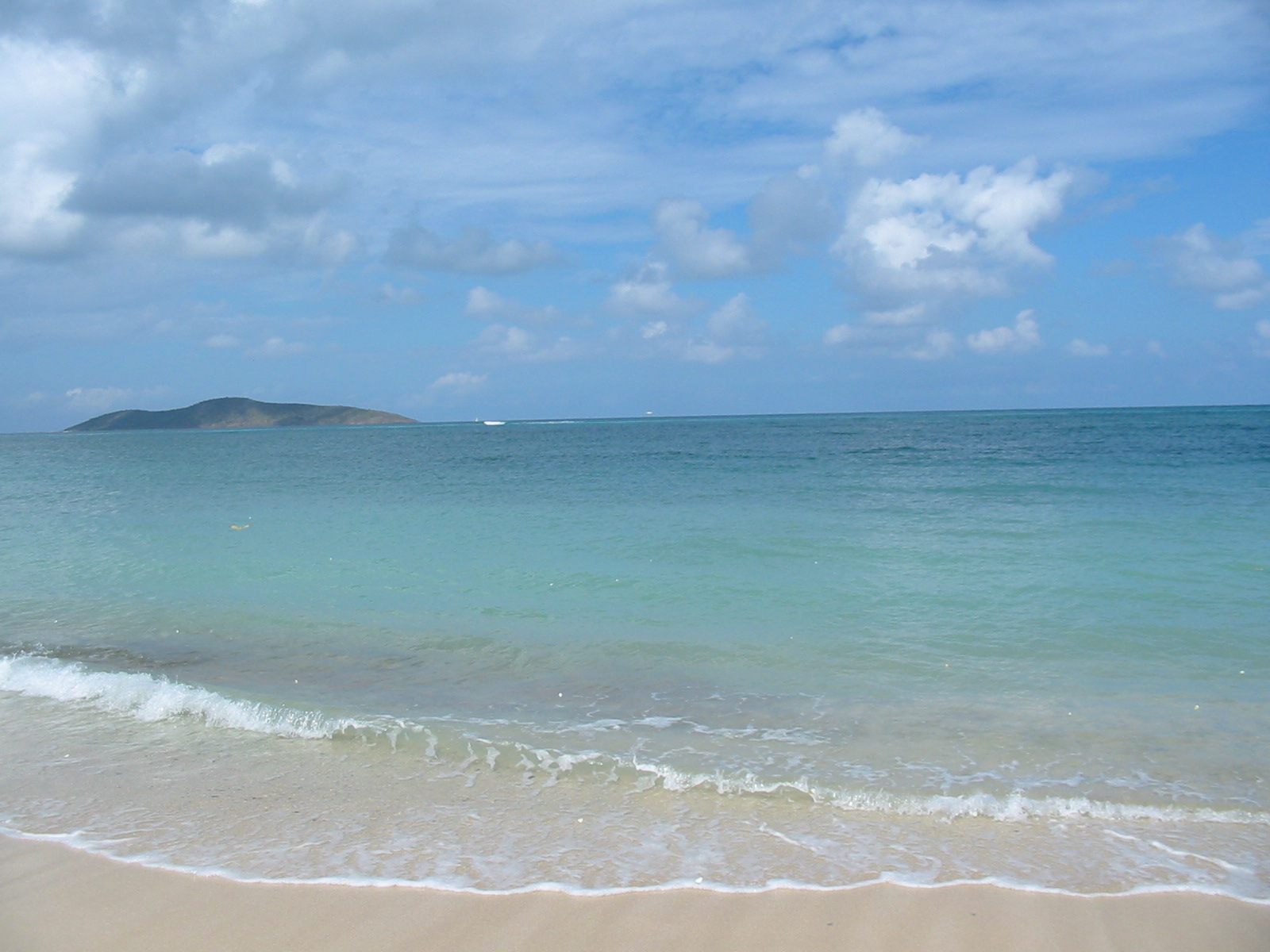
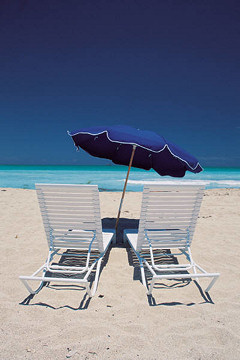
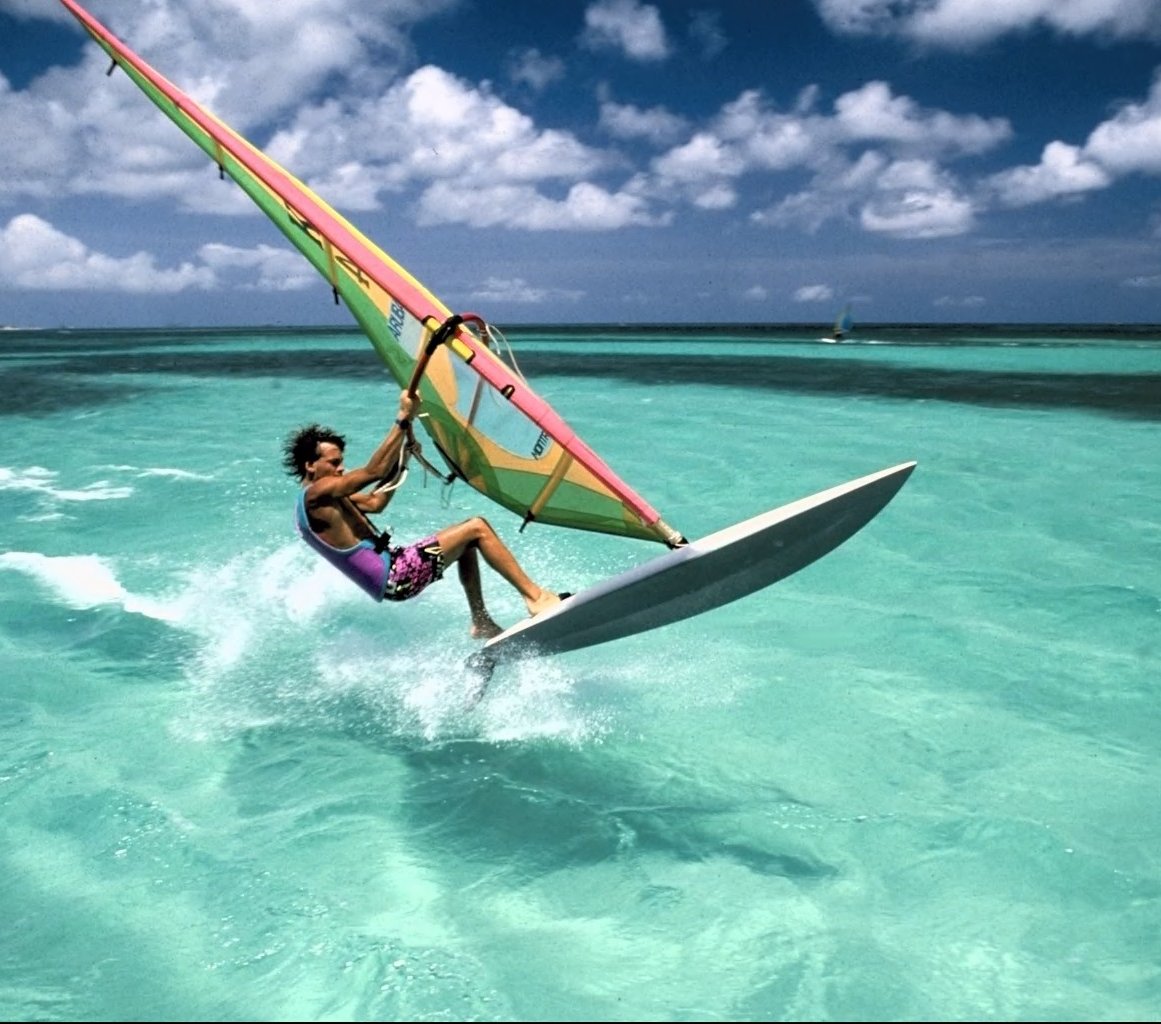
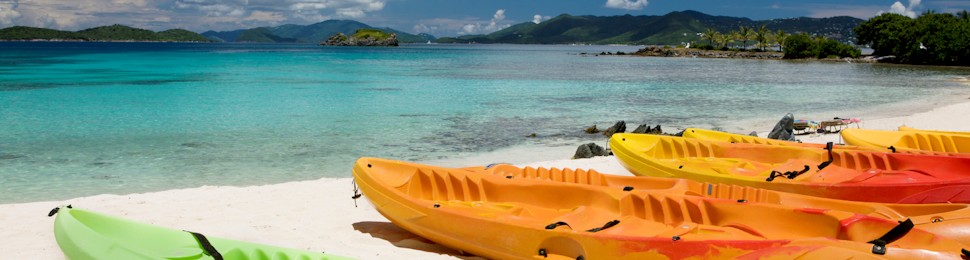
St. Thomas has over 40 major beaches along its sun-drenched coasts. There are strands with crystal blue water and swaying coconut trees where a beach bum can enjoy a lazy-lazy day. For more active beach goers there are sandy coves with activities like windsurfing and kayaking.
Some shores are rugged and rocky offering beauty, solitude and the opportunity to daydream about castaway fantasies. And there are widely popular bay-like beaches with amenities such as restaurants, rest rooms, chair rentals and complete water sports centers offering a variety of rental equipment .
DID
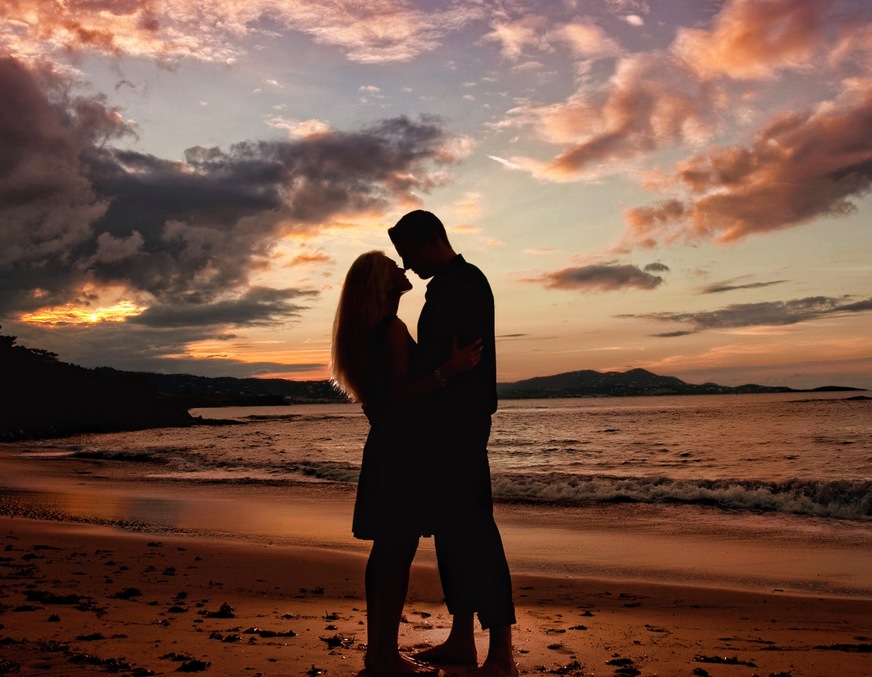
YOU KNOW THAT... Many couples are opting to save the
money (not to mention the stress and hard work) of a big
wedding at home by escaping to a Caribbean island for a
combination wedding/honeymoon. Upon their return, they can
share the event by showing the video and photographs at an
informal reception.
All the islands are beautiful and, on some, weddings have
become a major promotional tool. So why should you choose
St. Thomas above others?
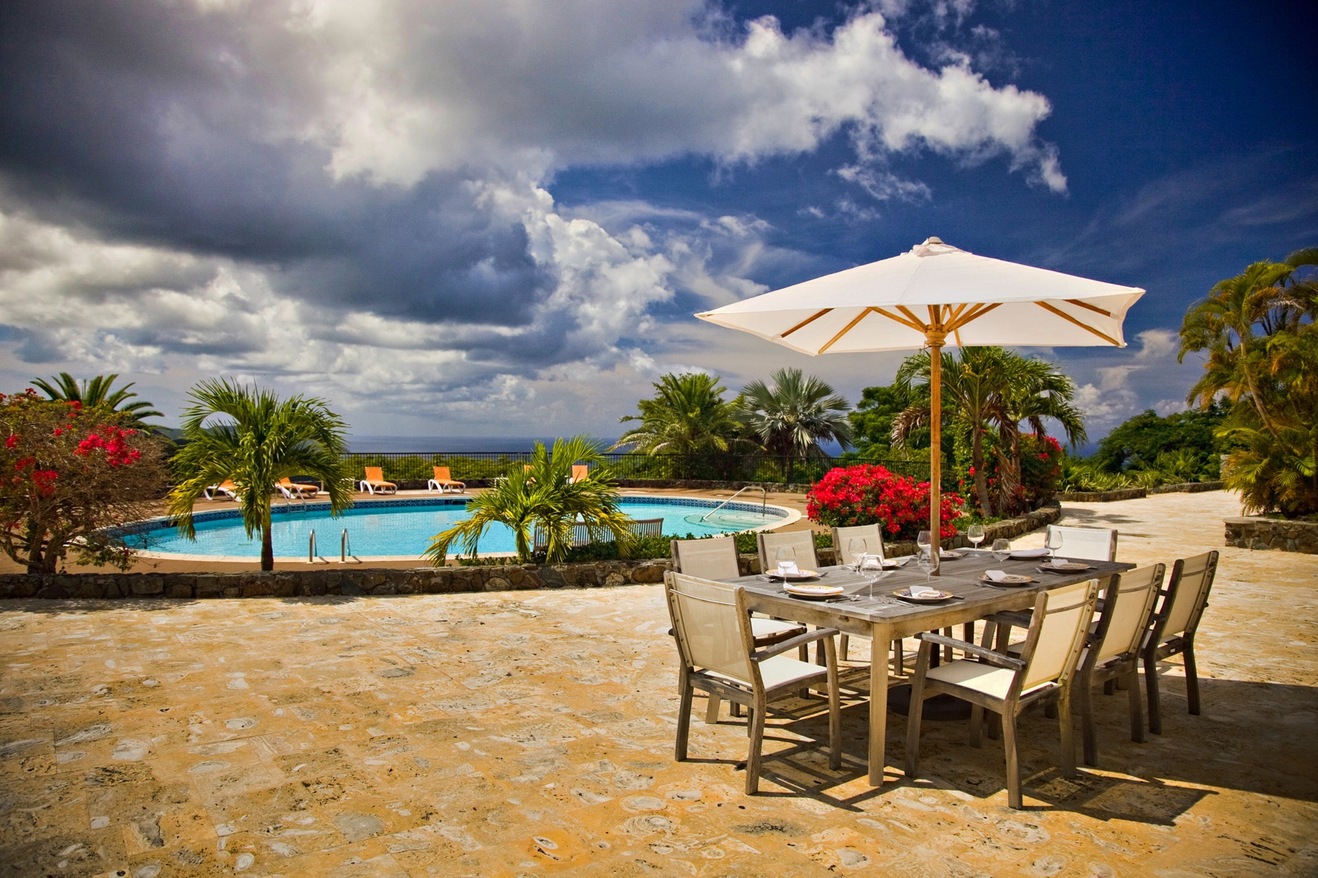
St. Thomas, one of the three United States Virign Islands, along with St. Croix and St. John, St. Thomas is one of the most beautiful island destinations in the world, dressed with powdery beaches and sun-drenched weather. St. Thomas is located in the Lesser Antilles, 1,600 miles south, south east of New York City; 1,100 east, southeast of Miami; 70 miles of San Juan. St. Thomas and its nearby neighbor St. John, lay between the Atlantic and the Caribbean.
more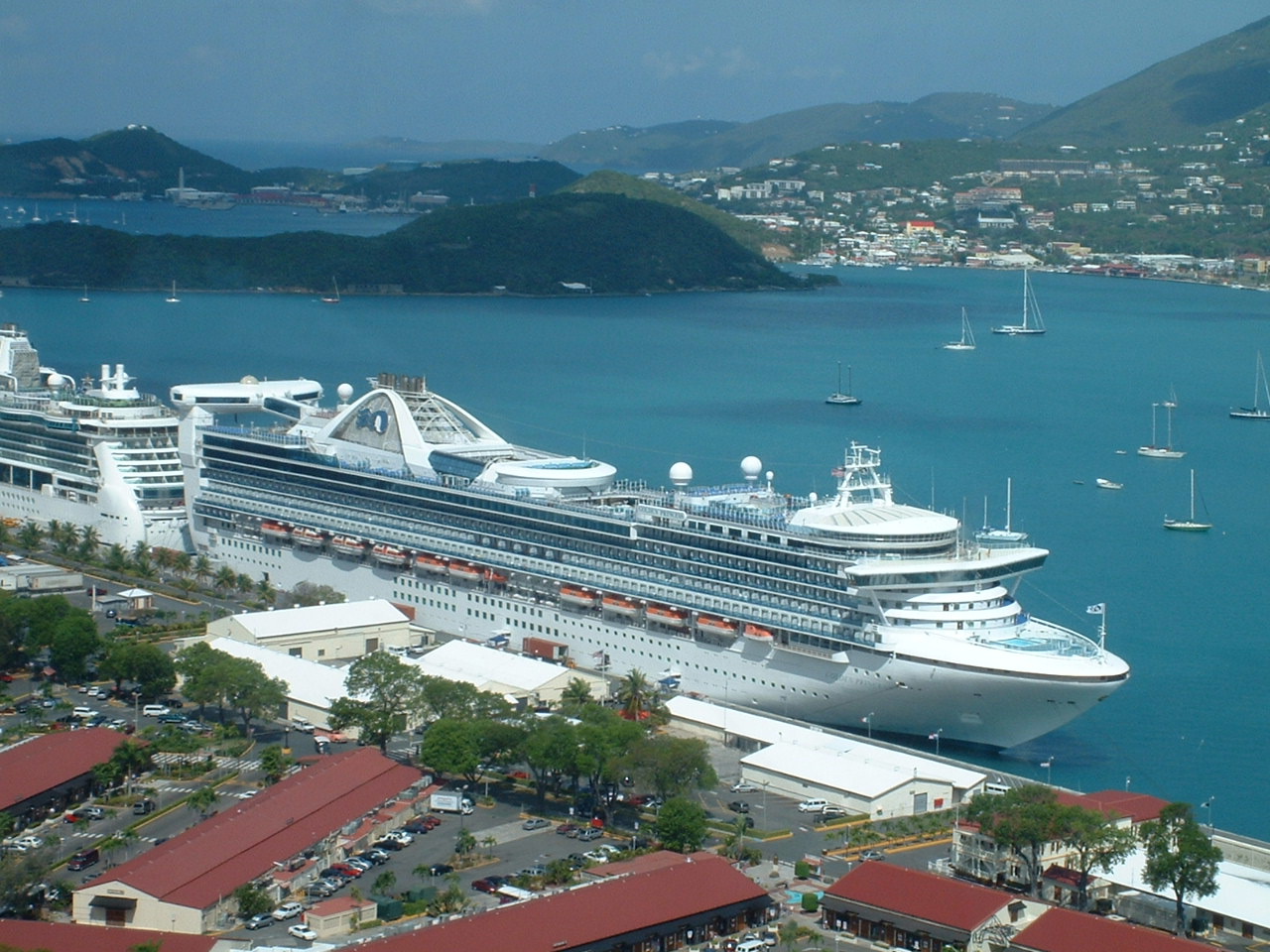
Our Port
St. Thomas has two cruise ports - - The West India Company Dock (almost universally referred to as Havensight) and Crown Bay. Both are located on the south side of the island not far from Charlotte Amalie.
Generally, the ships of Carnival Cruise Lines, Norwegian Cruise Line, Celebrity Cruises, and Royal Caribbean (except Oasis of the Seas and Allure of the Seas) dock at Havensight. Cunard, Princess, Holland America and Oasis and Allure typically dock at Crown Bay. This can change depending on the number of ships in port. Deeper draft ships such as Queen Mary 2, Oasis and Allure are required to dock at Crown Bay.